Caring for wood
Solid wood is made to last for generations. A little care keeps it looking its best.
Wood is a natural material. It moves slightly with the seasons, darkens or mellows in the light, and gains character with use. The guidance below works for most solid wood furniture. If your piece has a particular finish and you are unsure, ask us: we made it and are happy to advise.
Everyday cleaning
- Dust regularly with a soft, dry, lint-free cloth, wiping along the grain.
- For marks, use a cloth wrung out in warm water with a drop of mild soap, then dry the surface straight away with a clean cloth.
- Avoid all-purpose sprays, bleach, ammonia, alcohol and silicone polishes. They can strip oil finishes and leave a cloudy film.
- Never use abrasive pads or soak the wood.
Spills and heat
- Blot spills immediately rather than wiping, so the liquid does not spread or sink into the grain.
- Use coasters under glasses and mats under hot dishes, pots and mugs. Heat and moisture leave white rings.
- Put felt pads or a cloth under vases, lamps and planters. Water from plant pots is one of the most common causes of stains.
Sun, rain and humidity
Kigali's sun is strong, and direct light changes the colour of wood over time. Where you can, keep pieces out of full sun or draw a curtain in the brightest hours, and move objects on a tabletop now and then so it ages evenly.
Wood takes in and releases moisture, so it can swell slightly in the rainy seasons and shrink in the dry ones. Keep furniture away from open windows during rain, from damp walls, and from air-conditioning vents and other sources of heat. Small seasonal movement is normal and is allowed for in the way we build.
Oiled finishes
An oiled finish soaks into the wood and looks natural, but it needs feeding from time to time. When the surface looks dry or dull, usually once or twice a year for tables in daily use:
- Clean the surface and let it dry completely.
- Apply a thin coat of furniture oil with a lint-free cloth, working along the grain.
- Leave it for 15 to 20 minutes, then wipe off all the excess with a clean cloth.
- Let it cure as the oil's instructions say, usually overnight, before using the piece again.
Cloths soaked in oil can catch fire on their own as they dry. Lay them flat outdoors to dry, or soak them in water before throwing them away.
Lacquered and varnished finishes
Sealed finishes are more resistant to spills and need very little care. Dust them and wipe with a damp cloth. Do not oil or wax them. If the finish is scratched through, contact us rather than trying to repair it yourself.
Scratches and marks
- Light scratches on an oiled surface can often be blended in with a little furniture oil.
- On oiled wood, a white water ring may fade if you leave it to dry naturally for a day or two.
- For deeper damage, ask us. We can often refinish a surface in the workshop.
Moving furniture
Always lift furniture rather than dragging it, which strains the joints and legs. Take drawers out and empty shelves first. Felt pads under the legs protect both the piece and your floor.
Have a question about a particular piece? Get in touch.
Looking for something else?
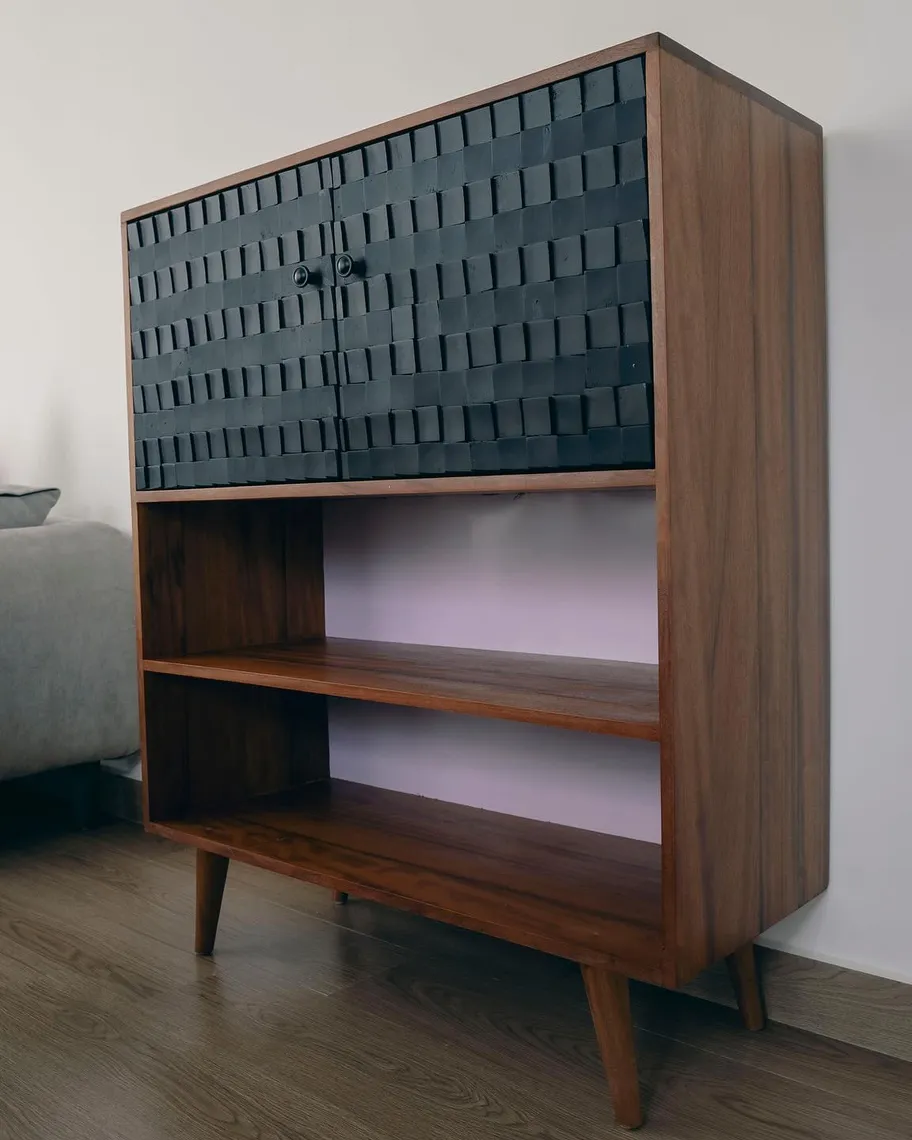
Bespoke commissions
A piece drawn and built for your room, in the wood and finish you choose.
Start a commission
Interior design
Help planning a room or a whole home, from layout to the last cushion.
Book a consultation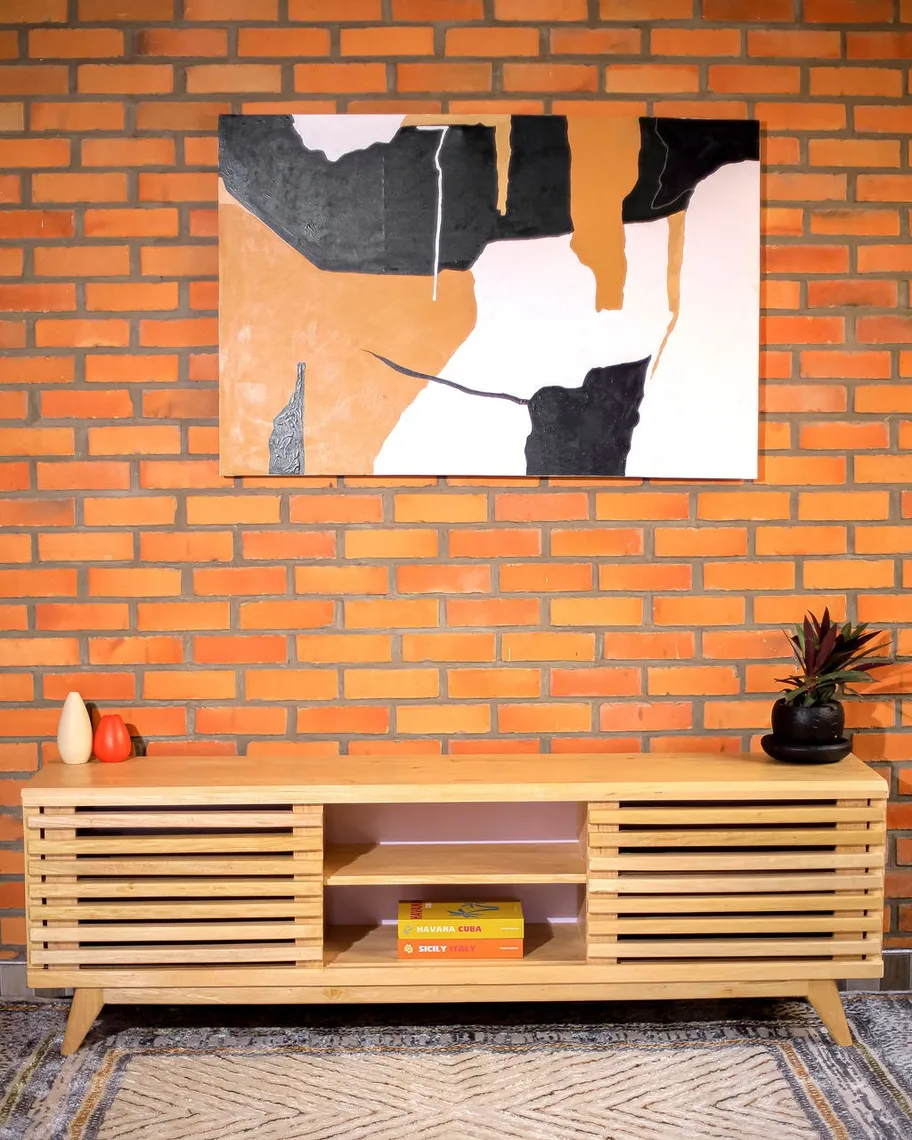
Visit the showroom
See the pieces and the wood up close in Kimihurura, Monday to Saturday.
Plan your visit
Made by hand
In our Kimihurura workshop
Made to measure
Bespoke sizes and finishes
Delivered by our team
Placed in your home in Kigali
Visit the showroom
Monday to Saturday, 9am to 7pm